What to know first
Alpine serves Dumont and Bergen County with professional garage floor coatings, epoxy, polyaspartic, decorative flake, metallic epoxy, and coordinated storage options. Begin with the parking footprint rather than the storage catalog. Mark where each vehicle sits, how far its doors open, and which walking route must remain usable. Then note the floor area that needs coating and the sections that may be occupied by cabinets or equipment. Current starting points are $1,799 for one car and $2,999 for two cars, subject to the written scope.
With the floor footprint established, divide belongings by access and protection needs. Items that should stay concealed, cleaner, or grouped together often belong behind cabinet doors. Frequently used tools, helmets, cords, or seasonal items may be easier to reach on slatwall, where hooks and accessories can be repositioned. That is a planning preference, not a universal rule. Make a short inventory with three labels—enclosed, visible, and overhead—then check whether each category can be reached without crossing the vehicle door swing or narrowing the main walkway.
The wall plan should be coordinated with the ceiling plan. Slatwall needs a practical working height, cabinets need door and handle clearance, and overhead storage needs a location that does not interfere with lighting, garage-door operation, or routine access. Ask Alpine to show cabinet runs, slatwall panels, and overhead units on the same layout. Confirm dimensions, mounting locations, access requirements, and what remains intentionally empty. A useful drawing can reveal conflicts before any finish or storage component is ordered.
Floor preparation deserves its own line in the conversation. Depending on existing conditions, preparation may involve inspection, diamond grinding or another mechanical profile, cleaning, crack or spall repair, removal of old coatings, contaminant checks, and moisture assessment when appropriate. Winter salt, grit, wet tires, hot tires, and temperature changes are sensible Northeast garage considerations, but they do not establish a condition at any individual Dumont property. Ask what the installer will verify on site, which repairs are included, and how concealed or unexpected conditions affect the price.
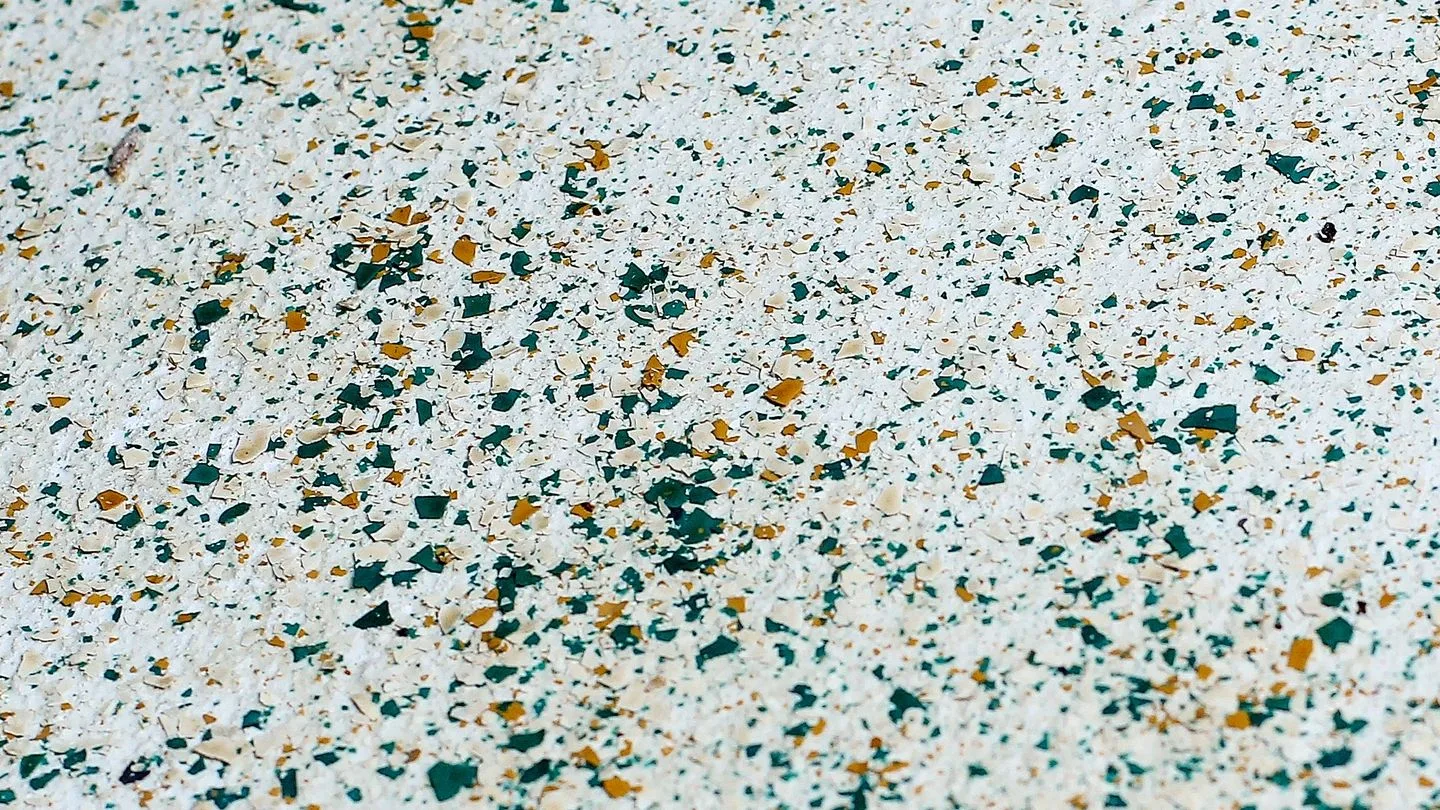
Choose the coating after discussing use, appearance, schedule, and substrate findings. Epoxy, polyaspartic, full-broadcast decorative flake, and metallic epoxy have different visual and project considerations; one should not be presented as automatically superior for every garage. Metallic and qualifying custom finishes may add 20%. Request the proposed layer sequence, decorative coverage, color selection, gloss, cure instructions, and care guidance. Comparing those details is more useful than comparing product names alone, particularly when two estimates use different preparation assumptions.
The installation plan should explain when inspection, preparation, repairs, coating layers, decorative work, storage installation, and final review occur. Ask when vehicles, stored items, and foot traffic may return, and have that direction written for the selected system. The estimate should separate the floor from cabinets, slatwall, and overhead storage; identify removal or repair allowances; state whether moisture-related work is included; and show the price basis. A qualifying metallic or custom finish may add 20%, so confirm whether that addition applies before approving the design.
Alpine's labor coverage is a 5-Year Limited Labor Warranty governed by written terms, while manufacturer warranties are separate. Read both rather than treating the warranty as a promise of lifetime, waterproof, maintenance-free, or guaranteed performance. Coating results depend on preparation, substrate conditions, installation, use, and care, and the system is not a structural-load or engineering warranty. For a next step, bring the inventory list, vehicle measurements, ceiling-obstruction photos, preferred cabinet-versus-slatwall categories, and questions about return-to-service timing to a written estimate review.
A useful cabinet-versus-slatwall sorting list
- Place chemicals, spare parts, and items needing concealment on the cabinet-door list
- Place frequently reached hand tools, cords, and adjustable seasonal gear on the slatwall list
- Reserve overhead storage for less frequently accessed items after checking ceiling and door-operation clearances
Questions for comparing Dumont proposals
- Which preparation steps, repairs, contaminant checks, and moisture recommendations are included in the floor price?
- What coating system, decorative coverage, cure schedule, and care instructions are specified in writing?
- Are cabinet, slatwall, and overhead dimensions, mounting locations, installation timing, warranty terms, and exclusions itemized?
More local service information
Other Alpine town guides in Bergen County
Use these county links to compare planning guidance for other communities Alpine serves. They do not imply a storefront or completed project in any town.
Bergen County
Not sure whether your address is covered? Share your ZIP code with Alpine.
Frequently asked questions
What is the practical difference between cabinets and slatwall?
Cabinets enclose and organize belongings, while slatwall keeps selected items visible and adjustable for quicker access.
Does Alpine offer full-broadcast decorative flake in Dumont?
Yes. Alpine offers full-broadcast decorative flake along with epoxy, polyaspartic, and metallic epoxy options.
When might a custom finish cost more?
Metallic and qualifying custom finishes may add 20%. Confirm whether the proposed color or design qualifies before signing.
Are repairs always included in a floor-coating price?
Not necessarily. The written estimate should identify included crack or spall repairs, old-coating removal, and pricing for conditions found during preparation.
What should be confirmed before storing items on a new floor?
Confirm the system-specific cure and return-to-service instructions in writing, including when vehicles, walking traffic, and storage may resume.